


It's Topic Tuesday!- An Alternative to Redo Surgery: Valve-in-Valve TAVR
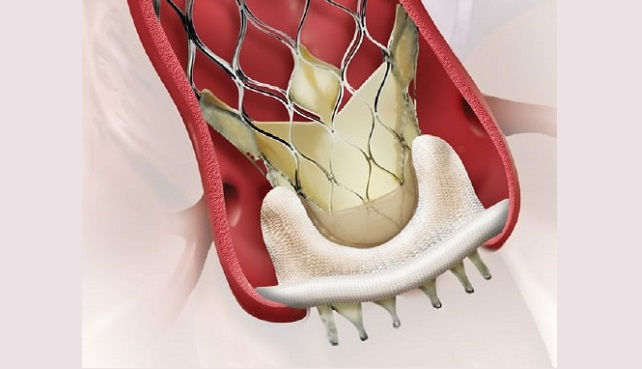
Open heart surgery is more than just a medical procedure—for most patients, it is a major life event with physical, emotional, and mental manifestations. Valve repair or replacement surgery is one of the most common types of cardiac operations. Many patients have bioprosthetic (tissue) valves, which are designed to mimic our native valve function, while avoiding the need for long-term blood thinners that are necessary after mechanical heart valve replacements. However, bioprosthetic valves are not permanent. With time, these valves can degenerate and begin to leak, causing symptoms such as shortness of breath, fatigue, chest discomfort, or dizziness to slowly return.
For many years, replacing a worn-out valve required another open heart surgery and for many patients, the idea of facing a second heart operation can feel particularly overwhelming, especially when thinking about the risks, recovery time, and impact on daily life. Today, medical advances have created new possibilities.
One option that may be available is called Valve-in-Valve Transcatheter Aortic Valve Replacement (TAVR), a less invasive way to treat a failing tissue heart valve. Rather than a major invasive procedure opening the chest to replace a valve, a TAVR approach allows for interventional cardiologists and cardiac surgeons to work together to guide a new valve to the heart using a flexible tube (catheter) through a blood vessel, most often through a small incision in the leg. TAVR is a commonly performed and highly successful procedure now routinely used to replace aortic valves in older patients who are considered high risk for open surgery. For more information about TAVR, please refer to last week's blog post.
In valve-in-valve TAVR, a new valve is placed directly inside of the existing tissue valve. The old valve stays in place and acts as a support structure, while the new valve takes over the job of controlling blood flow.
During valve-in-valve TAVR, the heart-lung (or bypass) machine is not needed. The heart continues beating during the procedure and recovery is often quicker than with traditional open surgery. Some patients are back to normal daily activities within weeks rather than months. However, valve-in-valve TAVR is not an option for every patient. Extensive evaluation and heart imaging by your cardiovascular care team is needed prior to determining whether you are a candidate for valve-in-valve TAVR.
Overall, valve-in-valve TAVR is one of many advances helping patients live longer, fuller lives with heart valve disease. The decision to have this procedure is a shared one made with your goals and concerns at the center, and understanding your options helps you take an active role in your care.
Best regards,
Keyana Zahiri
(Brown Medical School, MS3)
Sources:


Comments