


It's Topic Tuesday - What is an Aortic Aneurysm?
❤️ Understanding Aortic Aneurysms
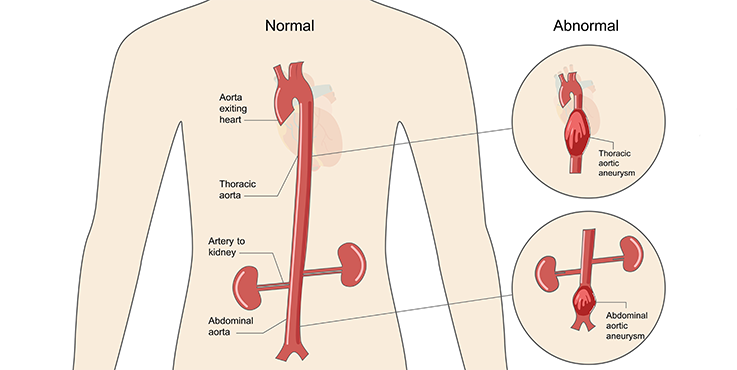
An aortic aneurysm occurs when a section of the aorta—the main artery that carries blood from the heart to the rest of the body—becomes weakened and begins to bulge or stretch. Over time, this bulge can grow larger and, in severe cases, may rupture, which is a life-threatening emergency.
📍 Types of Aortic Aneurysms
There are two main types, based on where they occur:
• Abdominal Aortic Aneurysm (AAA): Forms in the part of the aorta that runs through the abdomen. This is the most common type and often causes no symptoms at first.• Thoracic Aortic Aneurysm (TAA): Forms in the chest and may affect nearby organs as it grows.
⚠️ Symptoms to Watch For: Many aortic aneurysms are called “silent” because they don’t cause symptoms right away. When symptoms do appear, they may include:
• Deep, constant pain in the chest, back, or abdomen
• A pulsating feeling in the belly
• Shortness of breath, coughing, or trouble swallowing
• Sudden, severe pain, dizziness, or fainting (seek emergency care immediately)
🩺 Treatment Options: Treatment depends on the aneurysm’s size, location, and rate of growth:
• Regular monitoring with imaging tests for smaller aneurysms
• Medications to control blood pressure and reduce stress on the aorta
• Surgery or endovascular repair to fix the weakened area when the risk of rupture is high
💙 Why Awareness Matters: Early detection through routine check-ups can prevent complications and save lives. Knowing the signs and understanding treatment options empowers people to seek care before an emergency happens.
FOR MORE INFORMATION ..DOWNLOAD A COPY OF AORTIC DISEASE: THE PATIENT GUIDE HERE.
📣 Share to help spread awareness. ACE Your Healthcare Journey by Advocating, Communicating and Educating. #ASAP (Awareness Saves Aortas Period). Know the FIX in 2026!


Comments